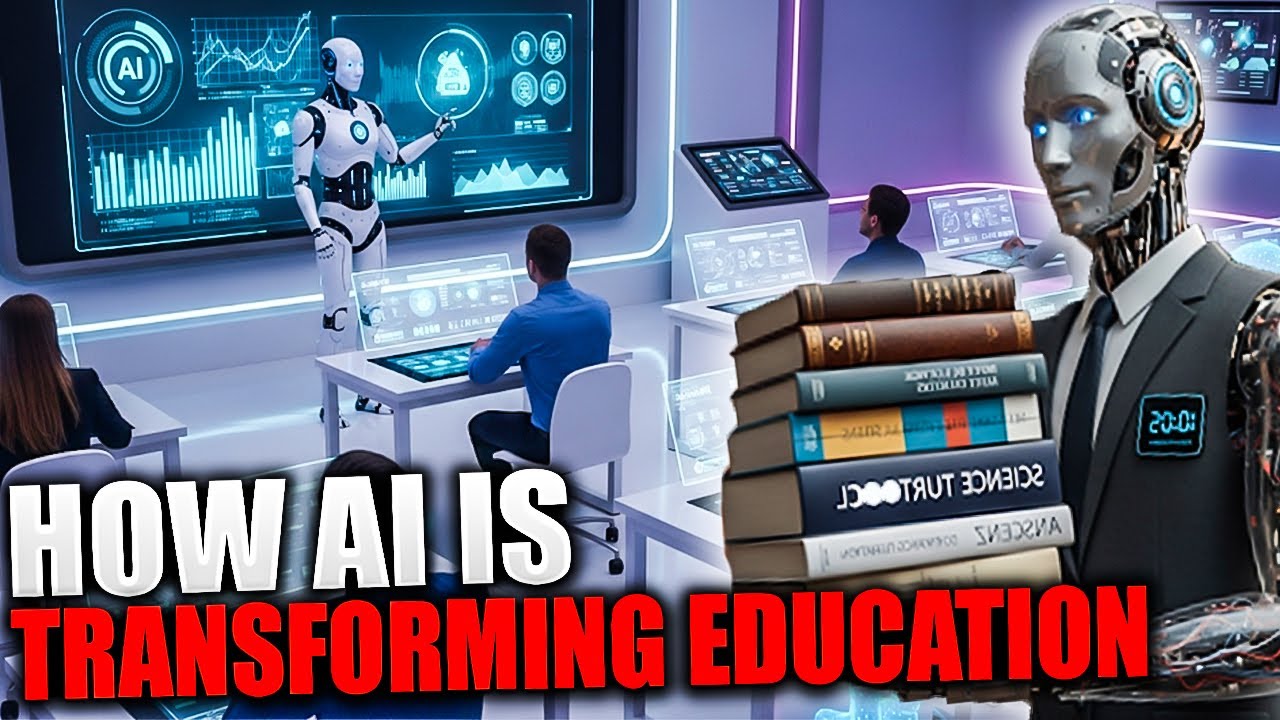

In the rapidly evolving world of technology, artificial intelligence (AI) has become a game-changer in various industries. One area where AI is making a significant impact is education. The digital learning landscape is being reshaped by AI tools, creating personalized, efficient, and accessible learning experiences for students worldwide. In this article, we will explore how AI is transforming digital education, its benefits, and what the future holds for learners and educators alike.
Personalized Learning Experiences
One of the most notable ways AI is transforming digital education is through personalized learning. Traditional classrooms often adopt a one-size-fits-all approach, making it challenging for students to learn at their own pace. AI algorithms can analyze students’ learning patterns, strengths, and weaknesses to deliver tailored educational content.
For instance, AI-powered platforms like adaptive learning systems can adjust the difficulty of lessons based on a student’s performance. If a student struggles with a particular topic, AI can provide additional exercises or alternative explanations, ensuring that learning is continuous and effective. This personalization not only improves understanding but also boosts student engagement and confidence.
Intelligent Tutoring Systems
Another innovative application showing how AI is transforming digital education is the development of intelligent tutoring systems (ITS). These systems act as virtual tutors that can provide real-time guidance and feedback. Unlike traditional educational tools, ITS can interact with students, answer questions, and even predict areas where a student might need extra help.
Intelligent tutoring systems have been particularly effective in subjects like mathematics and language learning, where step-by-step guidance can significantly improve comprehension. By offering individualized attention, AI tutors help bridge the gap between classroom instruction and self-paced learning.
Automation of Administrative Tasks
Teachers often spend a considerable amount of time on administrative tasks such as grading assignments, preparing lesson plans, and monitoring student progress. AI is transforming digital education by automating these repetitive tasks, allowing educators to focus on teaching and mentoring.
For example, AI-driven grading software can quickly evaluate multiple-choice and written responses, while predictive analytics can identify students at risk of falling behind. This automation not only reduces workload but also ensures more consistent and unbiased assessment.
Enhancing Engagement with Interactive Content
Engagement is crucial for effective learning, and AI is revolutionizing digital education by making content more interactive and immersive. Technologies like AI-powered simulations, virtual reality (VR), and augmented reality (AR) create dynamic learning environments that make complex concepts easier to understand.
For example, medical students can explore the human anatomy through AI-driven 3D models, while history students can experience historical events in virtual reality. By incorporating interactive AI tools, students remain more engaged, which enhances retention and understanding.
Data-Driven Insights for Educators
One of the most powerful benefits of AI in education is its ability to provide actionable insights through data analysis. AI is transforming digital education by collecting and analyzing large volumes of data from student interactions. Educators can use these insights to identify trends, assess teaching effectiveness, and adapt strategies to meet students’ needs.
For instance, learning management systems (LMS) integrated with AI can track student progress in real-time, helping teachers intervene early if a student struggles. This data-driven approach ensures that learning is more targeted and effective.
Accessibility and Inclusion
AI is not just enhancing learning for traditional students—it’s also making education more accessible. Tools like speech recognition, text-to-speech, and AI-powered translation can support students with disabilities or those who speak different languages.
How AI is transforming digital education includes bridging accessibility gaps, enabling inclusive learning environments. Students who previously faced barriers due to physical, cognitive, or linguistic challenges can now engage in digital education more easily, creating opportunities for a more equitable educational landscape.
Preparing Students for the Future
In addition to improving learning experiences, AI is helping students develop skills necessary for the modern workforce. Digital education powered by AI encourages critical thinking, problem-solving, and familiarity with emerging technologies. By interacting with AI-driven tools, students gain exposure to automation, data analytics, and machine learning concepts, preparing them for careers in the AI-driven economy.
This integration ensures that students are not only consuming information but are also learning to navigate and leverage technology in practical ways.
Challenges and Considerations
While the impact of AI in education is largely positive, there are challenges to consider. Privacy and data security are major concerns, as AI systems collect vast amounts of personal information. Educators and policymakers must ensure ethical use of AI and compliance with data protection regulations.
Additionally, over-reliance on AI tools may reduce human interaction, which is essential for social and emotional learning. Balancing AI integration with traditional teaching methods is key to creating a well-rounded educational experience.
The Future of Digital Education with AI
The future of education is undoubtedly intertwined with artificial intelligence. From personalized learning and intelligent tutoring to administrative efficiency and immersive experiences, AI is transforming digital education at an unprecedented pace.
As technology continues to evolve, we can expect AI to become more sophisticated, providing even deeper insights into student learning, facilitating global collaboration, and promoting inclusivity in education. Schools, universities, and online platforms that embrace AI effectively will likely set the standard for the future of learning.
Conclusion
Artificial intelligence is no longer a futuristic concept—it is actively reshaping how education is delivered and experienced. By understanding how AI is transforming digital education, educators and learners can leverage its potential to create personalized, efficient, and inclusive learning environments.
From intelligent tutoring systems and interactive content to data-driven insights and accessibility solutions, AI offers transformative opportunities for students worldwide. The key is to adopt AI responsibly, balancing technology with human interaction, to ensure that digital education not only imparts knowledge but also fosters critical thinking, creativity, and lifelong learning.